The Ultimate Guide to Safety Tools and Protective Equipment in 2026
We often go to work every day thinking about the tasks we need to finish, the deadlines we have to meet, and the coffee we need to drink to stay awake. We rarely stop to think about the dangers that surround us. Whether you work on a busy construction site, in a loud factory, or even in a home workshop, risk is always present. A falling hammer, a splash of chemical, or a cloud of dust can change your life in a split second. This is why safety is not just a set of boring rules written in a handbook; it is the most important part of your day. It is the promise that you will go home to your family in the exact same condition that you left them.
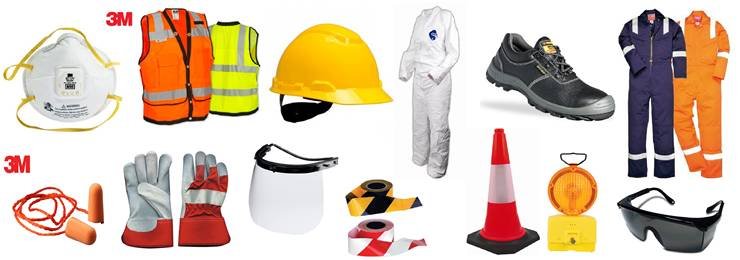
To keep that promise, we rely on Safety Tools and Personal Protective Equipment, commonly known as PPE. Think of PPE as your personal armor. Just like a knight wears steel to protect against swords, a modern worker wears plastic, rubber, and glass to protect against the hazards of the modern world. In 2026, this gear is more advanced, comfortable, and effective than ever before. It is no longer heavy and itchy; it is designed to fit your body and your job perfectly. This guide is going to walk you through the essential safety equipment you need to know about. We will strip away the complicated regulations and use simple, plain English to explain what this gear is, how it works, and why wearing it is the smartest decision you can make.
What is Personal Protective Equipment and Why Do You Need It?
Personal Protective Equipment (PPE) is any device or appliance designed to be worn or held by an individual for protection against one or more health and safety hazards. It is your last line of defense. Ideally, we try to remove hazards—like fixing a noisy machine so it is quiet—but when we can’t remove the danger completely, we put a barrier between you and it. That barrier is your PPE.
Many people view PPE as a hassle. They think it is hot, uncomfortable, or makes them look silly. But accidents do not care about how you look. A shard of metal flying from a grinder moves faster than you can blink. A heavy box falling from a shelf does not wait for you to move your foot. PPE buys you time and protection. It turns a tragedy into a “near miss.” Instead of losing an eye, you just get a scratch on your safety glasses. Instead of breaking a toe, you just scuff your boot leather.
However, PPE only works if you wear it. Having a hard hat in your truck does not protect your head. Having earplugs in your pocket does not save your hearing. Safety requires a mindset shift. You have to choose to protect yourself every single time, even for the “quick five-minute job.” Statistics show that most accidents happen during short, routine tasks because that is when we let our guard down. Understanding your gear is the first step to respecting it and using it correctly.
Head Protection Essentials: Hard Hats and Helmets Explained
The human brain is the most complex and valuable computer in the world, but it is housed in a relatively fragile shell. A blow to the head can cause concussions, permanent brain damage, or worse. This is why head protection is mandatory on almost every industrial site. The standard tool for this is the hard hat.
Hard hats work on a simple principle: suspension. If you look inside a hard hat, you will see a web of plastic straps. This webbing keeps the hard outer shell floating about an inch above your actual skull. When something heavy hits the top of the helmet, the shell absorbs the impact, and the straps stretch to spread the force out evenly. This prevents the object from smashing directly into your head and breaking your neck.
In 2026, we are seeing a shift from traditional hard hats to “safety helmets.” These look more like climbing or biking helmets. They have chin straps. Why? because in a fall, a traditional hard hat often flies off before you hit the ground. A helmet with a chin strap stays on, protecting your head from the secondary impact. They also often come with built-in visors or ear muffs. Whether you choose a hat or a helmet, check it regularly. If it has a crack, or if the plastic looks faded from the sun, throw it away. Plastic gets brittle over time, and a brittle helmet will shatter instead of absorbing the shock.
Eye Safety Gear: Glasses Goggles and Face Shields
Your eyes are incredibly sensitive. A tiny speck of dust can cause immense pain, and a chemical splash can cause permanent blindness instantly. Eye protection is perhaps the most critical category of safety gear because once you lose your vision, you cannot get it back.
The most basic form is Safety Glasses. These look like regular reading glasses or sunglasses, but they are made of special polycarbonate lenses. This material is lightweight but incredibly strong. It does not shatter like glass. It can stop a nail fired from a nail gun. Modern safety glasses also have “side shields” to stop debris from entering from the corners. They come with anti-fog coatings so they don’t steam up when you sweat, which used to be the number one reason people took them off.
For more dangerous environments, you need Goggles. Goggles seal tight against your face with a rubber gasket. They protect you from fine dust, smoke, and liquid splashes that could seep around the edges of glasses. Finally, there are Face Shields. These are clear plastic visors that cover your entire face, from forehead to chin. They are used for high-impact jobs like grinding metal or using a chainsaw. However, a face shield is secondary protection; you should always wear safety glasses underneath it. Think of the shield as the windshield of your car and the glasses as your seatbelt. You need both for maximum safety.
Hearing Conservation: Earplugs vs Earmuffs for Noise Control
Hearing loss is a sneaky enemy. It doesn’t hurt when it happens. It is painless and gradual. You might work in a loud factory for twenty years and think you are fine, only to realize in retirement that you cannot hear your grandchildren talking. Once the tiny hair cells in your inner ear are destroyed by noise, they never grow back. Hearing loss is permanent.
Safety tools for hearing come in two main types: Earplugs and Earmuffs. Earplugs are small foam or rubber cylinders that you insert into the ear canal. They are cheap, disposable, and very effective if you put them in right. You have to roll the foam tight, pull your ear up and back to open the canal, and slide it deep inside. If it is sticking halfway out, it isn’t working.
Earmuffs look like large headphones. They have foam-filled cups that seal around the entire ear. They are easy to put on and take off, making them great for intermittent noise. In 2026, we have “active” earmuffs. These have microphones on the outside. They amplify quiet sounds—like people talking—so you can hear instructions clearly. But the instant a loud noise happens, like a gunshot or a press slamming shut, the electronics cut the sound instantly to protect your ears. This removes the isolation factor, allowing workers to stay safe and communicate at the same time.
Respiratory Safety: Masks and Respirators for Clean Air
The air you breathe is fuel for your body. But in many workplaces, that air is filled with invisible enemies: wood dust, silica dust from concrete, paint fumes, and chemical vapors. Breathing these in day after day can scar your lungs and lead to serious diseases like asthma or cancer. Respiratory protection filters out the bad stuff so you only breathe clean air.
The simplest tool is the Disposable Dust Mask (often called an N95). This is a paper-like mask that covers your nose and mouth. It uses static electricity in the fibers to trap dust particles. It is great for sanding wood or sweeping a dusty floor. However, it does not stop chemicals. If you can smell the paint through the mask, it isn’t protecting you.
For chemicals, you need a Half-Face or Full-Face Respirator. These are rubber masks with replaceable cartridges. You choose the cartridge based on the hazard. There are cartridges for organic vapors (paint), acid gases (cleaners), and ammonia. These masks seal tight to your face. This means you have to be clean-shaven; even a day’s worth of stubble can break the seal and let poison in. For the most dangerous jobs, we use Powered Air Purifying Respirators (PAPR). These use a battery-powered fan to blow clean, filtered air into a hood. They are comfortable, cool, and don’t require a tight face seal.
Hand Safety: Selecting the Perfect Work Gloves
Your hands are your most important tools. You use them for everything, which means they are constantly in the line of fire. Cuts, burns, and crushes are the most common workplace injuries. The right pair of gloves can prevent almost all of them.
In the past, leather gloves were the only option. They were tough but clumsy. Today, we have high-tech synthetic materials. “Cut-Resistant Gloves” are made of Kevlar or similar fibers. They are thin enough to pick up a dime but strong enough that a knife blade will slide right off them without cutting the fabric. These are essential for anyone handling sheet metal or glass.
Then there are “Chemical-Resistant Gloves.” These are made of nitrile, neoprene, or rubber. They stop acids and oils from burning your skin. “Impact Gloves” have thick rubber pads on the back of the fingers to protect your knuckles if a wrench slips or a heavy object falls on your hand. And for general work, “Grip Gloves” have a rubbery coating on the palms that helps you hold onto slippery boxes or tools, reducing fatigue. The key is to choose the right glove for the hazard. A cotton glove won’t stop acid, and a rubber glove won’t stop a knife.
Foot Protection: Safety Boots and Shoes for Every Industry
A construction site or a factory floor is a minefield for your feet. There are nails sticking up, heavy pallets waiting to fall, and slippery oil spills. Safety footwear is designed to protect your feet from all angles.
The classic feature is the “Safety Toe.” Traditionally, this was a steel cap built into the toe of the boot. If a 50-pound box falls on your toes, the steel cap takes the hit, and your toes stay safe. Today, many boots use “Composite Toes” made of carbon fiber or plastic. They are just as strong as steel but much lighter and don’t get cold in the winter.
But boots are about more than just toes. You need “Puncture Resistance.” This is a steel or fabric plate in the sole of the boot that stops a rusty nail from going through the bottom of your shoe and into your foot. You also need “Slip Resistance.” The soles are made of special rubber with tread patterns that grip wet or oily floors, preventing falls. And for electricians, there are “Electrical Hazard” (EH) rated boots that insulate you from the ground, preventing shocks. A good pair of boots supports your ankles, keeps your feet dry, and ensures you can walk out of the job site as easily as you walked in.
Fall Protection Systems: Harnesses and Anchors for Working at Heights
Gravity is a constant force, and it is unforgiving. Falls from heights are the leading cause of death in the construction industry. Whenever you are working more than a few feet off the ground—whether on a roof, a scaffold, or a ladder—you need fall protection.
The core of this system is the Full Body Harness. This is a series of straps that go around your legs, chest, and shoulders. If you fall, the harness catches you and distributes the force across your strong bones (hips and thighs) rather than your neck or stomach. It keeps you upright so you can breathe while waiting for rescue.
Connecting you to the building is the Lanyard or Retractable Lifeline. A shock-absorbing lanyard has a folded section that rips open during a fall to slow you down gently, reducing the shock to your body. A retractable lifeline looks like a giant seatbelt. It pulls in and out as you move, but locks instantly if you jerk it. Finally, you need a solid Anchor Point. Clipping your harness to a weak pipe or a vent is useless. You must clip to a certified anchor capable of holding thousands of pounds. Fall protection is complex, and it requires training, but it turns a fatal fall into a scary but survivable incident.
Creating a Safety First Culture: Maintenance and Training
You can buy the most expensive helmet, the strongest gloves, and the highest-tech respirator, but if they sit in the trunk of your car, they are useless. Safety tools are only 50% of the solution. The other 50% is human behavior. This is what we call “Safety Culture.”
Safety culture means creating an environment where wearing gear is normal and encouraged. It means inspecting your equipment. A cracked helmet, a torn harness, or a glove with a hole in it provides a false sense of security. You think you are safe, but you aren’t. Inspect your gear every morning. If it is broken, replace it immediately. Don’t tape it up.
It also means training. Do you know how to fit your respirator so it seals? Do you know which filter to use for ammonia? Do you know how to adjust your harness straps? Employers must provide training, but workers must take ownership. Don’t be afraid to ask questions. Don’t be afraid to tell a coworker, “Hey, put your glasses on.” In a true safety culture, looking out for each other is a sign of respect, not nagging.
Conclusion: Safety is an Investment in Your Future
Safety tools and protective equipment are often seen as an expense. They cost money to buy and time to put on. But you have to look at the bigger picture. What is the cost of an eye injury? It is medical bills, lost wages, and a lifetime of darkness. What is the cost of a back injury? It is chronic pain and the inability to pick up your kids.
Compared to these costs, a pair of $10 safety glasses or a $100 pair of boots is incredibly cheap. PPE is an investment in your future. It is the tool that ensures you can keep working, keep earning, and keep living your life to the fullest. In 2026, with the incredible technology and comfort available in modern safety gear, there is absolutely no excuse not to use it. So take the time to find the right gear for your job. Keep it clean, keep it handy, and wear it with pride. It is the armor of the modern professional, and it is the key to a long, healthy career. Stay safe out there.